

Frankenstein
The chilling tale of Frankenstein; or, the Modern Prometheus, first published in 1818, remains one of the most significant pillars of world literature. Written by Mary Wollstonecraft Shelley (1797–1851), the novel famously originated during a "ghost story" competition in 1816 while Shelley was staying near Lake Geneva with Lord Byron and her husband, Percy Bysshe Shelley. At just nineteen years old, Mary Shelley conceived a narrative that would not only define the Gothic genre but also invent the framework for modern science fiction.
Frankenstein, or the Modern Prometheus
12207.ee.47
Mary Shelley
1889
Image: From the British Library collection
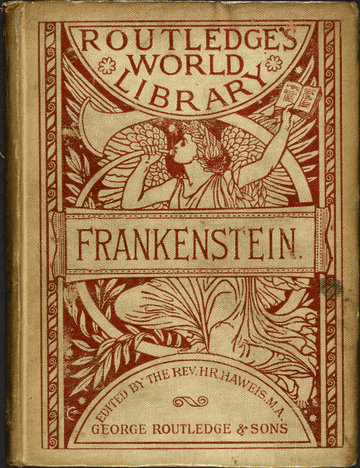
The story follows Victor Frankenstein, a brilliant but obsessive scientist who discovers the secret of imparting life to inanimate matter. Using a combination of chemistry and alchemy, he assembles a humanoid creature from scavenged parts. However, upon the creature’s "birth," Victor is horrified by its grotesque appearance and abandons it. This rejection sets off a tragic chain of events as the creature, endowed with keen intelligence and deep emotional needs, seeks vengeance against its creator for the loneliness and misery it is forced to endure.
Mary Shelley’s work was profoundly influenced by the radical intellectual environment in which she was raised. As the daughter of pioneering feminist Mary Wollstonecraft, Shelley infused the novel with a subtle yet powerful feminist undertone. While the surface plot focuses on masculine scientific hubris, the deeper narrative explores the consequences of a world where natural birth and domestic responsibility are replaced by clinical, ego-driven creation. The "monstrosity" in the novel is not merely the creature itself, but the lack of empathy and moral accountability shown by its creator.
The cultural legacy of Frankenstein is immense, having been adapted into more than 20 film and television productions, stage plays, and countless literary homages. Notable historical editions, such as those published by George Routledge & Sons and edited by the Rev. H.R. Haweis, demonstrate the enduring public appetite for this tale of obsession and doomed ambition. Shelley’s ability to "unleash feminism in the face of monstrosity" ensures the novel remains a vital subject of study for its exploration of identity, ethics, and the human spirit.
About a bit of art
At the delicate intersection of life's poetry and warmth, we construct an aesthetic bridge - a bit of art, a lifestyle brand that reenchants the mundane through artistic reinvention.
In continuous dialogue with the world's premier museums and galleries, we reinterpret art history's iconic moments through a contemporary lens. Mondrian's geometric harmony now dances upon your coffee cup's edge; Hokusai's great wave transforms into soft drapery on home textiles; Matisse's chromatic brilliance awakens in your journal's pages. From collectible art-objects to immersive exhibitions, we translate museum masterpieces into living design - ensuring art never sleeps in glass cases, but breathes within daily rituals.
With a bit of art, ordinary moments become extraordinary encounters. Every day deserves its masterpiece.
0 comments